


The Microsoft partnership you built may not survive FY27. For years, selling licences, managing renewals, and expanding your client base was enough. But FY27 added something that most partners were never managing. And that gap requires a fundamental change to your business model.
Digital Marketing
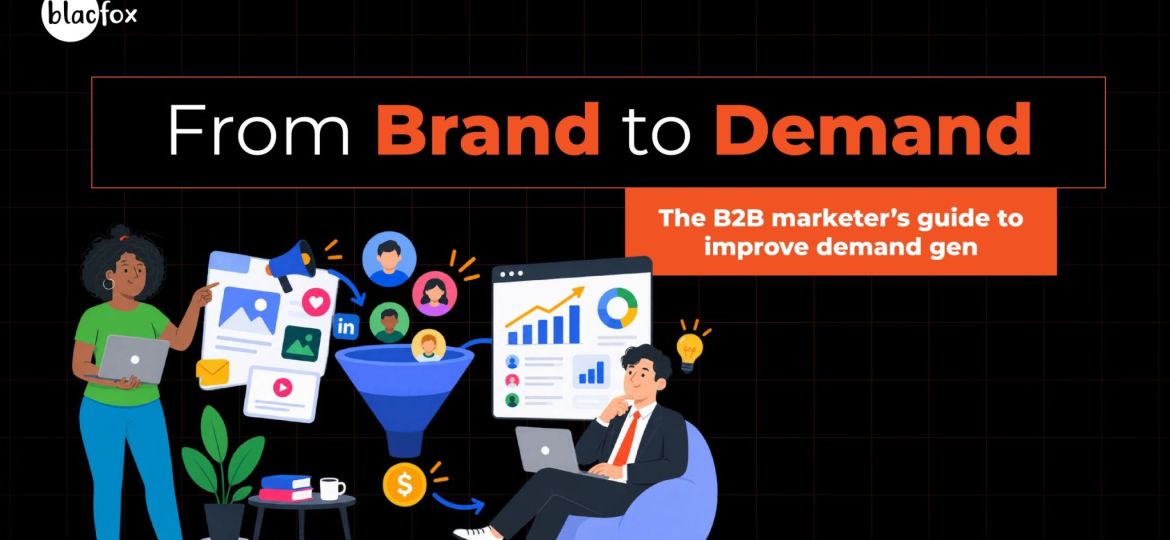
Nobody proposes on a first date, no matter how much they spent on the dinner. Demand gen works, but it works better with a good brand. Build the presence, boost visibility, then propose — do it in that order and the ad’s job gets a lot smaller, because trust already did part of it.

Microsoft has updated several parts of the co-op funding programme for FY27, and partners are trying to work out whether the rules have fundamentally changed or whether this is mostly a documentation and governance refresh. The biggest operational changes are the updated activity-category structure, tighter spend caps and a stricter POE standard.

Microsoft has updated several parts of the co-op funding programme for FY27, and partners are trying to work out whether the rules have fundamentally changed or whether this is mostly a documentation and governance refresh. The biggest operational changes are the updated activity-category structure, tighter spend caps and a stricter POE standard.

FY27 introduces performance-gated engagements – a separate investment stream from traditional co-op funding that partners can access alongside it. Unlike co-op, where you prove what you delivered, these engagements track whether the customer actually used the workload after deployment, feeding into the partner’s portfolio performance.
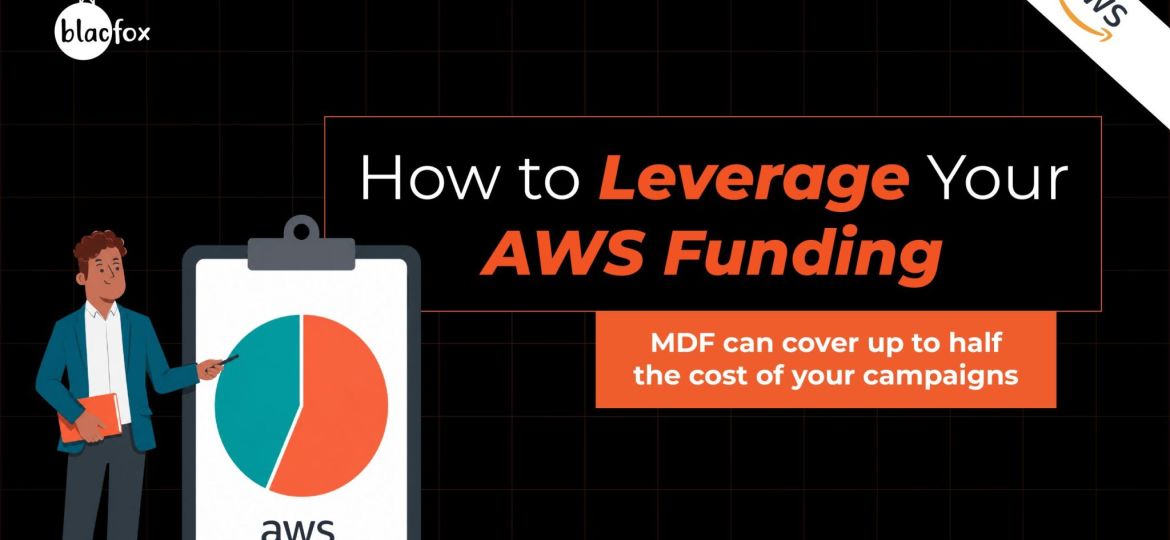
Holding AWS MSP validation already puts you at Advanced or Premier tier, which gives you access to Market Development Funds (MDF). MDF can cover up to half the cost of your campaigns — either as cash, once a marketing activity is finished and already approved, or as AWS Promotional Credit applied straight to your own AWS bill. Run something on the list of qualifying activities, get it approved before you spend, and you have a genuine claim.

Your sellers know how to close the 5% who are ready to buy. The other 95% are sitting on problems they haven’t decided to fix yet and no one’s helping them see it. This piece breaks down the four-step conversation that turns a “we’re fine for now” into pipeline.

Somewhere between the quote request and the signed contract, your buyer got tired of waiting on a human. This piece looks at what’s replacing that wait, and how to fix the friction in your buying experience before it costs you the deal.

The client’s happy, the results are in — and somewhere underneath it all, you’re still waiting to be found out. This piece looks at where that feeling comes from, what it quietly costs you, and how to keep making the call anyway.

Good marketing doesn’t begin at lead capture — it starts long before. Demand generation builds the desire, and lead gen measures the intent it creates. This article explains why tech teams need both to grow effectively.