
Everyone is using AI. And increasingly, everyone is noticing it.
You see it in the LinkedIn posts that make the same points, the articles that follow the same structure, even the TikToks whose scripts feel too flawless. Even if you can't identify exactly what gave it away, you can often tell when something feels AI-written.
The need for speed has left marketers with content that sounds good but blends in with everything else. And when audiences have endless content to choose from, blending in is exactly how you get ignored.
So how do you use AI without losing the thing that makes your marketing yours, and what does the future look like?

Hot take, but AI shouldn't be a part of your research step. It can help organise the data you find, even help analyse it, but it should not be your source of information.
Language models generate answers based on patterns in their training data and the context you provide. This means their responses can favour widely repeated opinions, familiar explanations and whatever your prompt leads them towards. So if you're asking the same questions as other marketers (which you likely are), then the outcome will be the same too.
‘But it provides sources, so it must be right.’ Sources don't automatically solve this problem. A model can cite a legitimate report but misrepresent its findings, remove an important qualification or use a statistic incorrectly. You need to open the original sources, check the claims your AI made against what the source says, and remove anything you cannot substantiate.
The best research you can gather is one that AI could never touch - speak to your audience (and yes, that em dash was on purpose). Your sales team, account managers and customers can tell you what prospects worry about, which objections keep coming up and what your audience is tired of hearing.
That information gives your content a specific understanding of the people you're trying to reach.
Lastly, separate research and writing. If you ask AI to research a topic and write an article in one prompt, unverified information can slip straight into copy. Establish what you know first. Decide what you want to say afterwards.

Once the research is sound, you have another problem; AI naturally gravitates towards familiar answers.
Ask it to write about customer experience, and you'll probably get personalisation, efficiency and seamless interactions. Ask for a more engaging version, and you might get punchier headings and shorter sentences. The presentation changes, but the argument often stays the same.
That's because a model generates likely responses based on patterns. It can help develop an idea, but it cannot reliably supply the specific nuance of opinions and business experience that make your brand different.
Better prompts can improve the output, but they cannot replace thinking. If you haven't decided what you believe and what you want to say, AI has little direction beyond what it already knows.
Your job is to bring three things to the brief: the reader, the argument and the voice.
Know who you're writing for and what matters to them. Decide what you want them to understand or reconsider. Give the model a clear point of view, supported by verified research, along with examples of how your brand actually communicates.
Then give AI a defined job. Ask it to structure your argument, tighten awkward sentences, remove repetition or challenge your reasoning. You can even ask what a sceptical reader might question or where your evidence falls short.
These tasks give the tool something concrete to work on, with criteria you can evaluate. You remain responsible for deciding whether its suggestions improve the content.
And don't accept a rewrite simply because it sounds smoother. If it removes your strongest opinion, replaces specific language with corporate jargon or turns a useful argument into generic advice, reject it.
The goal is not to make AI-generated writing sound less like AI through a collection of stylistic tricks. It is to make sure the writing has something meaningful to say in the first place.

So, we ask ourselves, when content becomes easier to produce, what makes yours worth reading? More content, on its own, is no longer a compelling advantage.
What AI cannot automatically reproduce is your team's understanding of its customers, the evidence you have gathered, the opinions you are prepared to defend, and the experience behind your work. And most importantly, it cannot convey what you stand for, what your mission is, and the brand sentiment you represent.
That is where differentiation comes from. A recognisable brand voice isn't just a set of tone-of-voice guidelines. It comes from having something specific to say and saying it consistently, with evidence and conviction.
Generic content makes it harder for buyers to remember you, unsupported claims put your credibility at risk, and content that repeats what your audience has already heard gives them little reason to pay attention.
The most well-known publications, like Forbes, The New York Times and The Atlantic, have drawn a hard line on AI-generated writing: they won't accept it, and some now ban contributors who submit it.
This is an indication of what is going to become the norm for agencies. Instead of asking AI for a finished piece, their marketers bring the idea, the argument and the data, and use AI to turn that into a first draft. They then rewrite the draft line by line until it sounds like their brand rather than the model. And then ask AI to do the touch-ups.
You don't need to stop using AI, but you do need to decide where it belongs. Find AI's place in your process instead of making AI the process, and your content stops sounding like everyone else's.

Good writing, meaningful content and a unique voice are far more important than quick content that sounds like the five posts you just scrolled past.
AI can help you get the words on the page, but if it does all the thinking, researching, and decision-making, what makes it different from the hundreds of other agencies doing the exact same thing?
The most valuable part of the process is still the thinking behind the words. Your experiences, your opinions and your understanding of your audience.
Read next
Keep reading.
19 August 2026
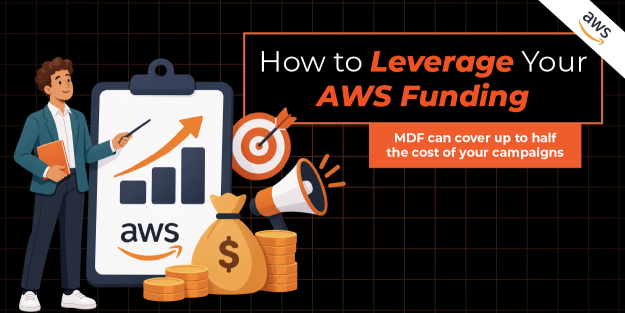
How to Leverage Your AWS Funding
Find out how AWS Market Development Funds work, which marketing activities they cover, and the setup steps to complete before you submit a claim.
4 June 2026
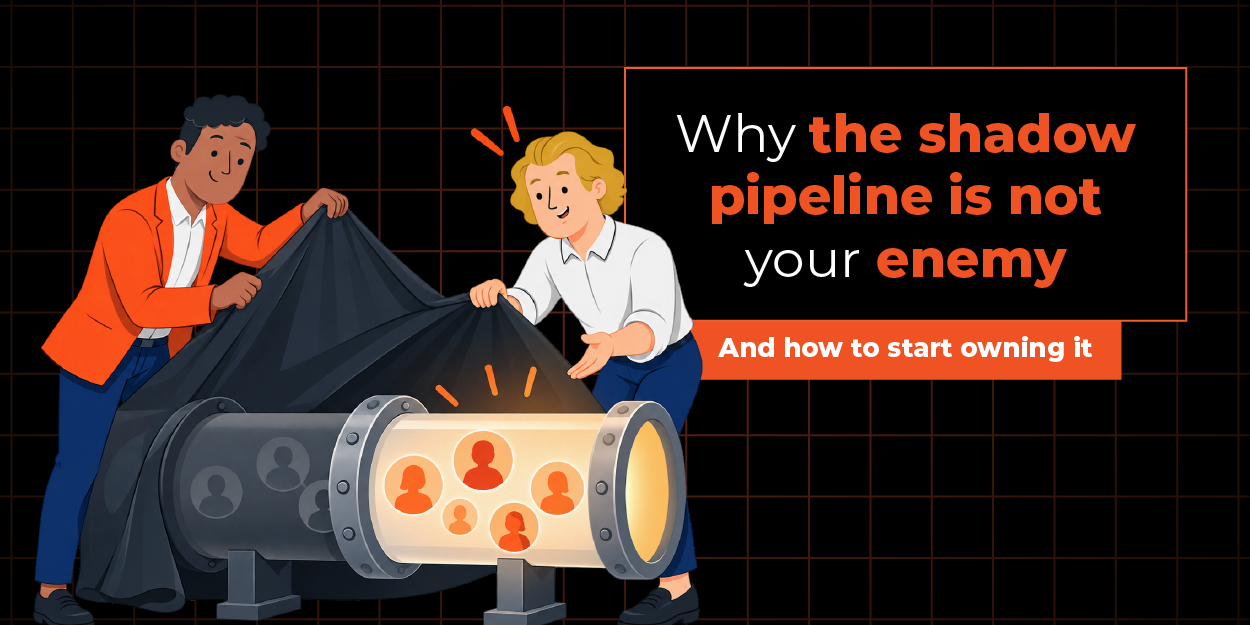
Why the shadow pipeline is not your enemy
Learn why untracked deals are evidence your marketing is working, and how to explain them to leadership with honest language and the right evidence.

25 May 2026
The Ghost Lead
Find out why your best B2B deals often show up as 'Direct Traffic', and four simple ways to see more of the shadow pipeline behind them.
Talk to us about a deal, or about how you are positioned.
If something here raises a question about a deal you are working on, bring it to us. The same goes for how you are positioned, how you stand apart from competitors or how to get the market to notice what you offer. We will listen first, then tell you plainly whether we can help.