
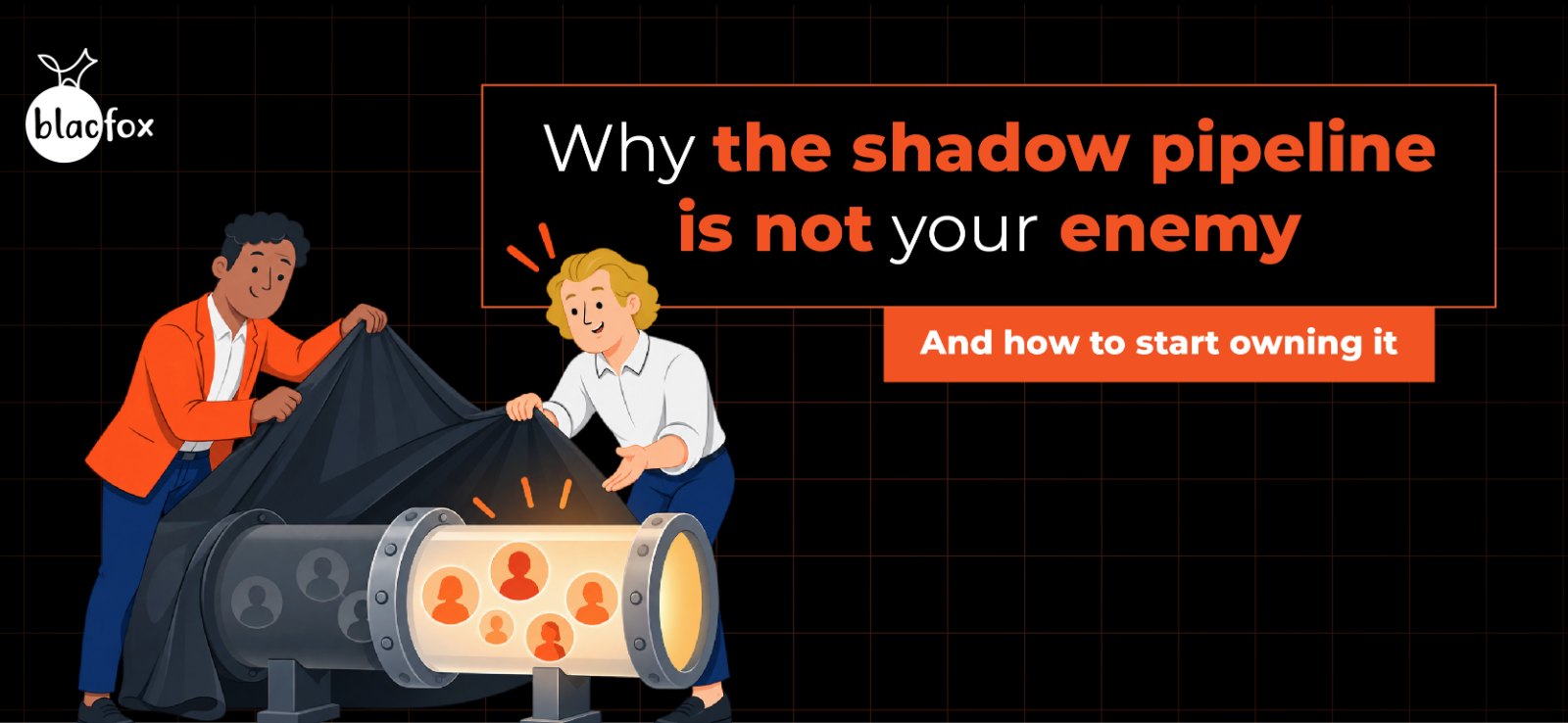
The deal closes on Tuesday. No campaign attribution. No tracked touchpoint. No form fill you can point to. It’s as if they appeared from nowhere and signed.
Most marketing leaders in that moment feel frustrated. Not about the deal, that’s a win. About the conversation that’s coming. The one where someone asks where it came from.
But that frustration is pointing you at the wrong problem entirely. The issue isn’t that you can’t track the deal. The issue is that you’ve built your career on a definition of ‘proof’ that was never designed to capture what buying actually looks like.
This blog is about that gap. Specifically, it’s about why the deals you can’t explain are strong proof that your strategy is working, and how to start talking about them with the confidence your results deserve.

Every time a major deal closes without a traceable source, you lose the ability to justify your budget with confidence. When you can’t explain where your best deals come from, you also can’t reliably predict which activities drove them. That means you’re flying half-blind when it comes to allocating budget.
Do you ramp up the webinar programme because it generated MQLs? Or do you invest in the content that nobody can trace but that keeps showing up in win interviews?
The inability to see the full picture forces you to optimise for what you can measure, not necessarily for what works.
And then there’s the long-term friction. Every time you defend the undefended, you weaken your position for next time. Leadership starts to question whether marketing is truly driving pipeline or just taking credit for deals that would have happened anyway. The more you waffle about it, the more you appear uncertain. Even when your market presence is objectively strong, the lack of a paper trail makes you look like you’re guessing.
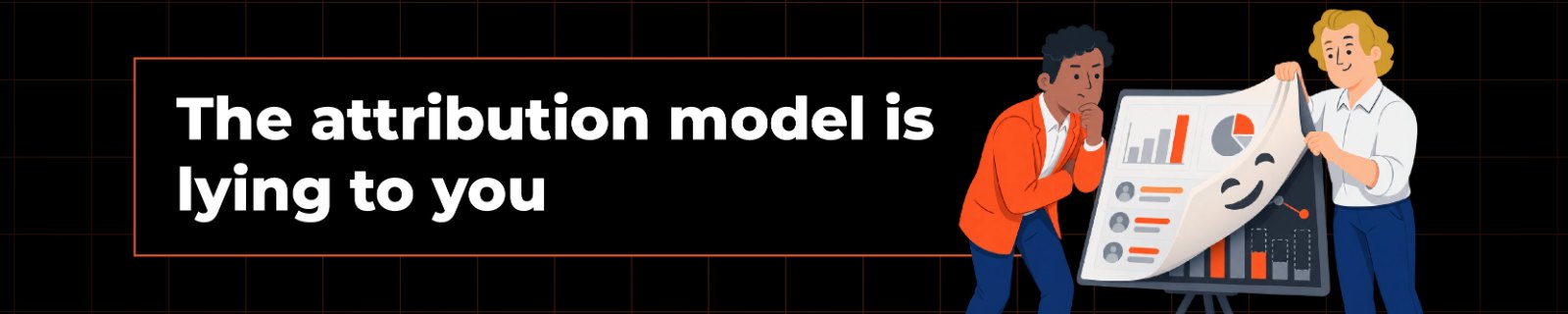
The standard response to untracked revenue is to chase the tracking. Better UTMs. Cleaner CRM hygiene. Tighter attribution windows. All reasonable things and all attainable.
But what’s actually happening is that your buyers are researching, discussing and deciding in places your tools will never reach. They’re forwarding your content in Teams channels. They’re having conversations in LinkedIn DMs that end with someone saying, ‘Yeah, we should probably talk to them.’
According to Forrester, an average B2B purchasing decision now involves 13 internal and nine external stakeholders, and most of those people are forming opinions in private channels long before any of them touch your CRM. In fact, research confirms that B2B buyers now consume an average of 13.4 pieces of content before contacting sales, with 67% of the buying journey self-directed.
You are not failing to influence those conversations. You are influencing them. You just can’t see it happening.
And that matters because the buyers who arrive this way are often arriving with the trust and context already built. By the time sales get involved, some of the qualifications have already happened privately.
That’s the compound effect of consistent, credible presence in your market. The activity is real. The influence is real. Your attribution model just can’t see all of it.

You don’t need a new framework for this conversation. You need honest language.
When the question comes, the answer isn’t defensive and it isn’t technical. It sounds something like this:
‘Some of our best deals come in without a clear source because buyers already know us. We can’t always track where that started, but we can see the impact in our brand searches, direct traffic and win/loss feedback.’
That’s it. No caveats. No apology. No promise to fix the attribution gaps.
But saying it once isn’t enough. The question will come back. Leadership doesn’t stop asking about attribution after one good answer; they file it and return when the next deal closes without a trace. So the second part of owning this is building the habit of bringing the evidence before anyone asks for it.
That means quarterly win/loss interviews where you surface the pre-arrival narrative. It means tracking brand search volume and direct traffic as primary signals, not vanity metrics. It means getting into the habit of asking your sales team one question after every qualified conversation: what did they already know about us, and where do they think it came from?
You won’t get a clean answer every time. But over a pipeline cycle, a picture emerges. And that picture (however incomplete) is an honest representation of how modern B2B buying can work.
The shadow pipeline is the clearest evidence you have that your content is doing what content is supposed to do: building the kind of trust that makes deals close before sales even gets involved.
Own it. Keep the evidence. Make the case before you’re asked to make it.
More articles
Keep reading.
19 August 2026
How to Leverage Your AWS Funding
Holding AWS MSP validation already puts you at Advanced or Premier tier, which gives you access to Market Development Funds (MDF).
25 May 2026
The Ghost Lead
Your biggest deal of the quarter just closed. The buyer already knew your product, trusted your brand, and was ready to buy before they ever clicked ‘request demo.’ And your marketing dashboard has absolutely no idea how it happened.

13 March 2026
Do You Feel Like You Don’t Belong Here?
The client is happy, but you’re still not convinced it was you. Here’s why that feeling exists, what it costs you, and how to stop letting it run the show.
Talk to us about a deal, or about how you are positioned.
If something here raises a question about a deal you are working on, bring it to us. The same goes for how you are positioned, how you stand apart from competitors or how to get the market to notice what you offer. We will listen first, then tell you plainly whether we can help.